
Today’s Tidbit... The Fog of War-Time Football

The 1942 College All-Star game, held at Chicago’s Soldier Field, was much like the eight that preceded it, except that the world was at war, a fact brought home to America the previous December 7. While civilians along either coast were affected by the sinking of merchant vessels or the occasional balloon bomb floating over the ocean, professional baseball and college and pro football carried on, despite the games’ stars increasingly trading one uniform for another.

Aside from the loss of star players, attendees at games would have noticed little difference from the pre-war years, except some stadiums in coastal locations posted evacuation plans for spectators in the event of an enemy attack. As told in the linked story, the game program for the 1942 Army-Princeton contest at Yankee Stadium included evacuation procedures.

However, Soldier Field and the College All-Star game were on the western shores of Lake Michigan, 900 miles from the Atlantic Ocean, making it unlikely that German bombers could harm any of the 101,100 fans whose $305,000 in ticket purchases raised money for the Army and Navy Relief Funds. An additional $195,000 in war bonds were sold, with the highest-volume buyer being I. M. Bilderback of Champaign, Illinois, who purchased $60,000 worth of bonds which made him the owner of the All-Star game ball following the event.
The Bears dominated the game behind the running of Bill Osmanski, who ran the ball on eight of twelve plays on the 60-yard opening drive before his running mate, Hugh Gallarneau, bulled his way to the game’s first score. The Bears scored through the air in the second quarter, and returned to the run in the third quarter as Gallarneau earned the game’s third and final touchdown.
The Bob Zuppke-led All-Stars’ best chance at scoring came when Notre Dame’s Steve Juzwik returned a punt 84 yards to the Bears’ 6-yard line, but the collegians failed to move the ball on four downs and went scoreless for the game.
There was, of course, one unusual aspect to the 1942 College All-Star game. While the weatherman correctly predicted it would not rain, fog rolled in from Lake Michigan pre-game, fully blanketing the field of play in the second and third quarters. Fans atop the stands could not see the action on the field, only the lights across the field and an occasional flash of white or silver from the teams’ pants.

During the foggiest periods, fans kept track of the game action via the public address system announcer, who apparently was connected by telephone to someone down on the field. Also in the press box, unable to see the game’s action, was Bob Elson of the Mutual Broadcasting System, whose radio play-by-play went to all corners of the country.
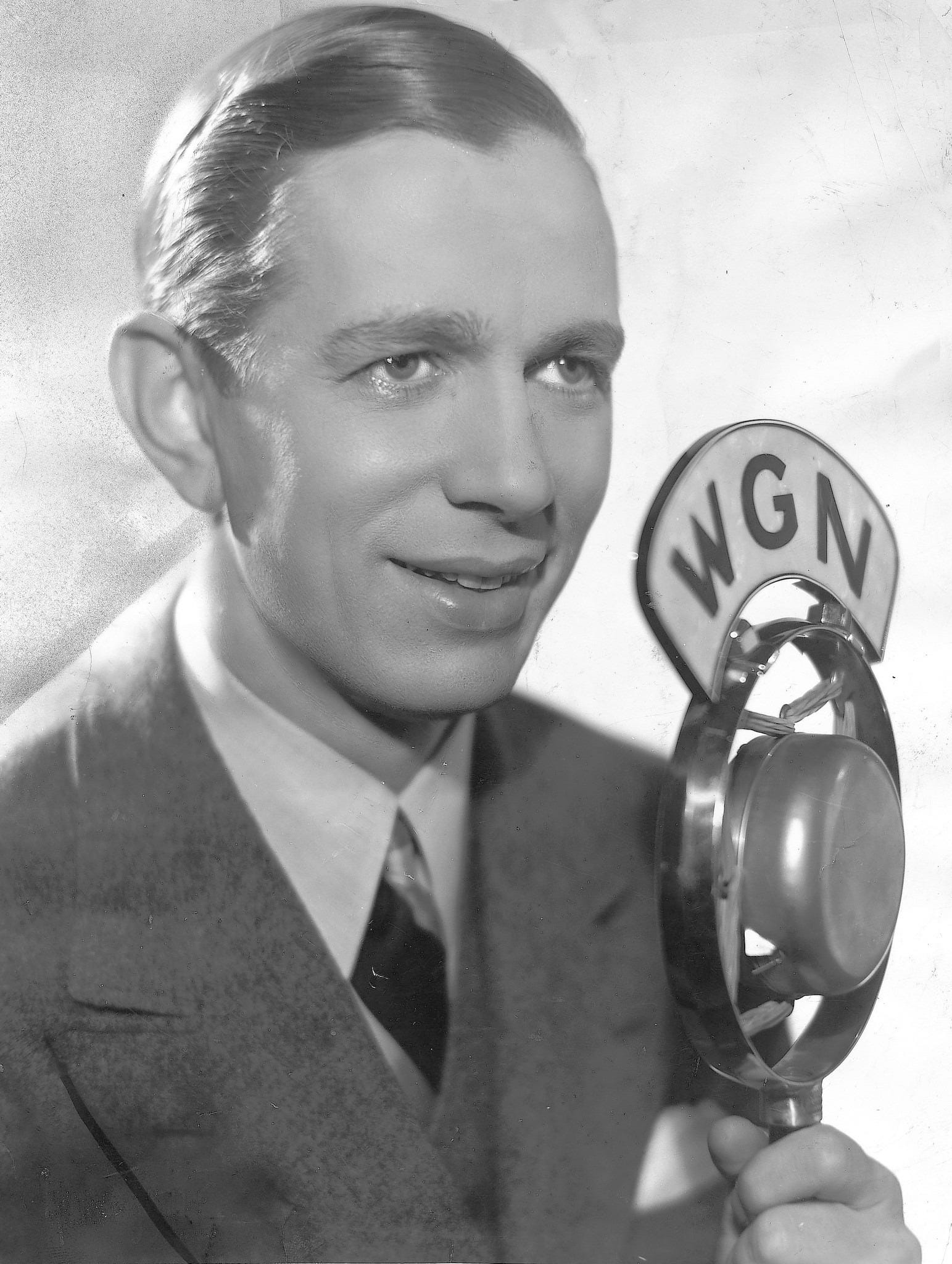
Elson faced two problems. First, he, too, had to rely on the public address announcer for information, but the sparse announcements did not provide the details Elson needed to keep his radio audience engaged. Second, while Elson’s delivery was less dramatic and exciting than usual, he also could not tell listeners why he struggled to call the game. Elson, you see, was prohibited from using the f-word on the radio. Not that f-word; instead, Elson could not mention that fog had enveloped Soldier Field.
The WWII Office of Censorship heavily restricted broadcasting weather information by radio to prevent those secrets from reaching the enemy, whether U-boats off the Eastern seaboard or nefarious saboteurs. Likewise, weather reports in newspapers covered only the climatic conditions within a 150-mile radius of the fish wrap’s publishing location. Anything more was restricted information.
Poor Bob had to broadcast the game, parts of which he could not see, while also keeping his audience from knowing why he lacked his usual vision or that most of what he told them was utter poppycock. Even better, at some point in the third quarter, the PA system went on the fritz, leading reporters in the press box to “watch” the game via Elson’s radio broadcast. At the time, they hadn’t the foggiest idea that Bob Elson could not see the game any better than they, so some of his tall tales likely appeared as fact in press reports the following day.
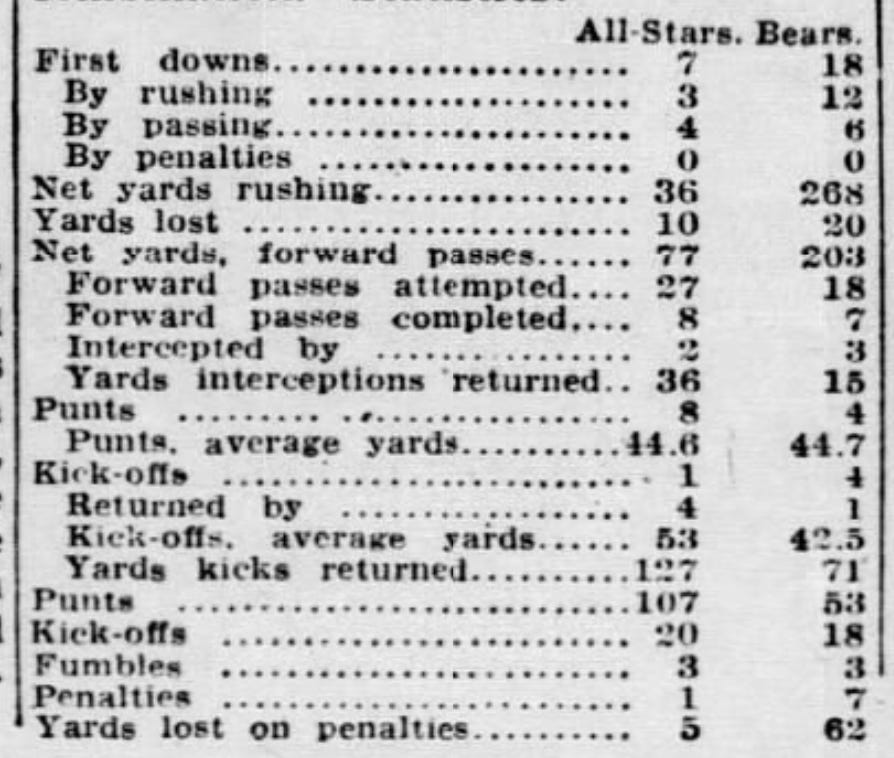
Despite it all, someone managed to cobble together the game statistics showing the teams took to the air a combined 45 times, completing 15. Given the quality of play, the fog did not cause the fans to miss much. They might have felt worse about the fog had the game been more exciting.
Obviously, the moral of the story is not to believe everything you hear and be especially wary of those afraid to drop the occasional f-bomb.
Thanks to Tom Lockney who recalled his dad talking about a foggy war-time game.

With the holidays approaching, now is the time to add one or more of my books to your holiday list. Make yourself and others merry.

Interesting, I had never heard of this story before. I must have had my head in the clouds
Best line about wartime football: “No matter who we were playing, before the game the coach would tell us, ‘Watch out for Elroy Hirsch!’”